For Couples or Group Bookings, Click Here
CALL Online Booking WhatsApp

Revitalizing Body and Mind

Humans possess inherent abilities like “natural healing power” and “immune strength” to protect themselves. At KARTENA KYOTO, we maximize these abilities through aroma treatment and acupuncture treatments, supporting optimal states of both mind and body.

Painless Treatments

Comprehensive Knowledge
Ensures Attentive, Gentle Care

Our treatments are so relaxing that some people even fall asleep during them. We take a careful, gentle approach, so you’ll feel almost no pain. Enjoy the treatment.

Restoring Healing Power

Reclaim Your Innate Strength
Boost Your Self-Healing Abilities

Through acupuncture, Japanese chiropractic care, and aroma treatment based on traditional Eastern medicine, we restore balance to your body. You’ll feel more positive and happy.

Frequently Asked Questions (FAQ)
・Reservations & Payment
Is a reservation required?

Yes. KARTENA KYOTO operates by appointment only. Same-day bookings may be available depending on availability, so please use our online booking system.

Can I make a same-day reservation?

Yes, subject to availability. We recommend booking as early as possible, as same-day slots are limited.

Can I make a reservation by phone?

If you are unable to book online, please contact us via WhatsApp or email.
Phone reservations are also possible; however, we may not be able to answer calls while we are in treatment sessions.

What should I do if I am running late?

Please contact us as soon as possible. If you arrive late without notice, your treatment time may be shortened.

Is there a cancellation fee?

A cancellation fee may apply for same-day cancellations or no-shows.

Do you accept credit cards?

Yes. We accept major credit cards.

Can I receive a receipt?

Yes. Please let us know at the time of payment if you need a receipt.

Can I make a reservation more than one month in advance?

Online booking may be unavailable for reservations more than one month ahead.
In this case, please contact us via WhatsApp or email.

・Treatments
What types of treatments do you offer?

We offer Deep Tissue Massage, Aroma Massage, Therapeutic Bodywork, Shiatsu Massage, Acupuncture, Cosmetic Acupuncture, Head Massage, Facial Massage, and Foot Massage.

Are the treatments painful?

Pressure and techniques are always adjusted to your condition and preference. Please let us know if you prefer lighter or deeper pressure.

Do I have to receive acupuncture?

No. If you are uncomfortable with acupuncture or prefer not to receive it, we can provide treatments without needles.

Is there a consultation before the treatment?

Yes. We conduct a thorough consultation to understand your condition, concerns, and goals before selecting the most suitable treatment.

Can you treat chronic pain or long-term tension?

Yes. Many of our guests visit us for chronic neck, shoulder, and lower back pain, fatigue recovery, and body conditioning.

・Therapists & Staff
Who will perform the treatment?

Treatments are performed by nationally licensed practitioners or therapists who have completed KARTENA’s professional training standards.

Can I request treatment by the owner?

Yes. If you wish to receive treatment from the owner, please book one of the owner-exclusive treatment menus.

Can I choose a male or female therapist?

Yes. Therapist gender can be selected during the online booking process.

・Facilities & Clothing
Are the treatment rooms private?

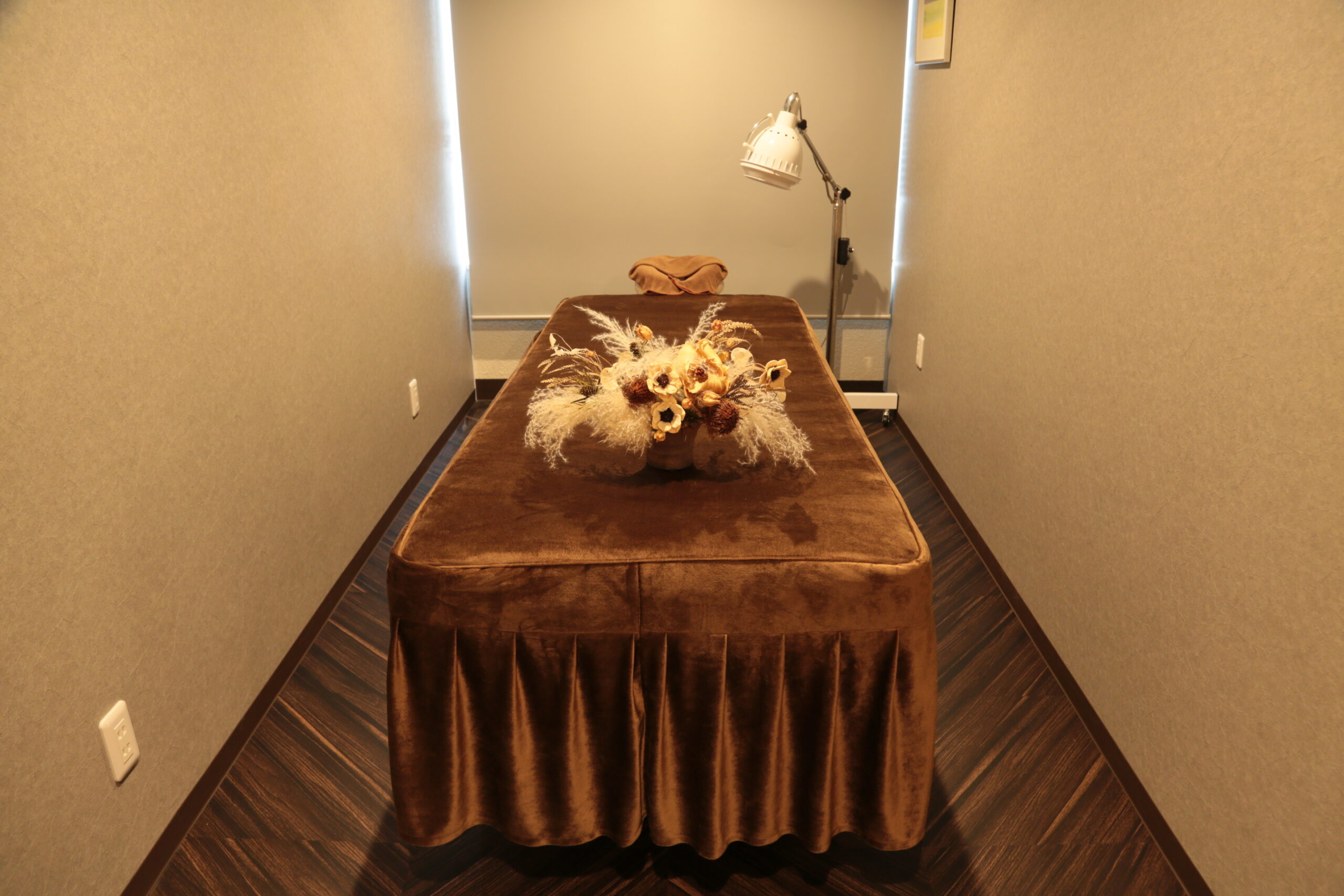
Yes. All treatments are provided in fully private rooms.

Is there a shower available?

We do not have shower facilities. However, hot towels are provided after your treatment.

What should I wear?

you may come in regular clothing. We provide appropriate clothing for your treatment if needed.

Do I need to bring anything?

No special items are required.

・Acupuncture
Does acupuncture hurt?

Acupuncture needles are thinner than a human hair (usually 0.12-0.2 mm), and insertion of the needles is usually painless.
You may feel a slight sensation when the needle is inserted, like a pinch or plucking a hair.

Once the needles are placed, patients report a variety of sensations, including tingling, deep pressure, achiness, heaviness, and sometimes nothing at all. These sensations that accompany needling are called
"hibiki" in Japanese, and different styles of acupuncture bring about different sensations; however the clinical efficacy does not depend on the intensity or type of "hibiki", so do not be concerned if you feel something in one session, but not in another.

If you feel any pain or discomfort, let your acupuncturist know and he or she will make the necessary adjustments.

It is very common for patients to feel relaxed and fall into a light sleep during the session.

How is Japanese acupuncture different from other forms?

Acupuncture has been practiced in Japan since it was introduced from China in the 6th century. While many of the principles of traditional Chinese acupuncture are still applied in Japanese acupuncture, over time differences in techniques have developed.
Although there is great variation in the styles of acupuncture that are practiced in Japan, a few characteristics are shared by many styles.
There is a tendency to emphasize palpation and gentle stimulation in Japanese acupuncture styles. Most Japanese acupuncturists use very thin needles and guide tubes called "shinkan" to help make insertions painless insertion, so patients often feel no needle sensation throughout the entire treatment.

Will acupuncture and moxibustion help me problem?

Acupuncture and moxibustion are widely known to effectively treat musculoskeletal problems, including neck, shoulder, lower back and knee pain. However, since ancient times they have also been used to treat many other conditions, including those that involve internal and mental functions.

Diseases and disorders that are commonly treated with acupuncture and moxibustion include:
‹Neurology> Neuralgia, Autonomic imbalance, Headache, Migraines
‹Cardiology> High or Low blood pressures, Rheumatoid arthritis, Sciatica
Asthma, Bronchitis, Common cold
‹Gastrointestinal> Abdominal pain, Constipation, Diarrhea, Nausea,Hyperacidity, Indigestion
‹Gynecology> Infertility, Menopausal symptoms, Premenstrual symptoms, Irregular period, Period pain
‹Ear, Nose and Throat> Sinusitis, Tonsillitis, Sinus infection, Tinnitus (Ear ringing)
Eye strain
‹Pediatric> Night terrors, Colic, Bed-wetting
Anxiety, Depression, Insomnia, Neurosis
‹Others> Postoperative pain, Toothache, Addiction control, Athletic performance, Stress, Chronic fatigue
Acupuncture and moxibustion can help many other symptoms that are not listed here. Please ask your acupuncturist about anything in particular you are concerned with.

Are acupuncture and Moxibustion safe?

When practiced by a licensed, trained acupuncturist, acupuncture is extremely safe.
In Japan, acupuncturists are licensed by the Minister of Health, Labour and Welfare after passing an examination and graduating from an accredited technical school or college. No other health care providers except medical doctors are legally allowed to practice acupuncture and moxibustion in Japan.
Only sterile and disposable needles are used at this acupuncture clinic so there is no risk of infection.
If you have a pacemaker, have a tendency to bleed or bruise easily, or if you are a hemophiliac or pregnant, you need to notify your acupuncturist before receiving treatment.

Are there any side effects?

There are very few side effects to acupuncture. That said, a few patients experience drowsiness after treatments. Other acupuncture side effects include fatigue, soreness, bruising at the insertion site and lightheadedness.
A small number of patients will find that their symptoms worsen after the initial treatment, but it is often followed quickly by improvement.

How to Take Care of Yourself After an Acupuncture Treatment

You can resume your normal activities. You may feel more relaxed than usual. If possible, take it easy for the rest of the day. We do not recommend engaging in any excessive behavior, including strenuous physical activity, over-eating or heavy drinking.
Soreness or slight bruising infrequently occurs at the needling site. Soreness typically dissipates within a few days. Bruising should disappear within a week or two. It is nothing to worry about beyond the aesthetic inconvenience.
On rare occasions, your symptoms may worsen for a short time after the treatment. If the symptoms persist for more than a few days or continue to worsen, please contact your practitioner.

RETURN TOP
Call Online Booking